Top 7 Alternatives of Sunlighten for Patented Far-Infrared Technology
Many buyers search for Sunlighten alternatives because standard far-infrared panels rarely reach the 95 percent emissivity threshold that clinical-grade systems require. Your sessions may feel warm yet deliver less therapeutic penetration than advertised.
By the end of this article you will know the exact heater specifications and red-light integration each brand offers, how to compare VantaWave technology with other patented emitters, and why SaunaCloud ranks first among the seven options reviewed.
What to Look For in Patented Far-Infrared Technology
Patented far-infrared systems are defined primarily by heater surface temperature, peak wavelength, and measured EMF levels.
These three measurements determine how evenly heat reaches the body and how safe the experience remains during extended use.
Consumers examining far-infrared sauna options should verify each value before purchase.
Operating surface temperature affects radiant output consistency. Lower readings may reduce heat penetration, while higher readings increase burn risk if contact occurs.
Experts recommend confirming temperature ranges that stay within safe operating limits for home sauna use.
Peak wavelength determines absorption depth in tissue. Wavelengths near 9-10 microns align closely with human skin emission, supporting deeper radiant heat transfer.
Shorter or longer wavelengths may reduce efficiency during infrared therapy sessions.
EMF levels measured in milliGauss indicate electromagnetic field exposure. Lower readings reduce potential interference with sensitive electronics and limit unnecessary exposure.
Manufacturers publish these values to help users compare low-EMF sauna designs.
| Metric | Carbon Heaters | Ceramic Heaters |
|---|---|---|
| Surface Temperature ( degreesF) | 140-180 | 200-350 |
| Peak Wavelength (microns) | 8-10 | 5-8 |
| EMF Reading (milliGauss) | 0-3 | 10-30 |
1. SaunaCloud - Best Overall
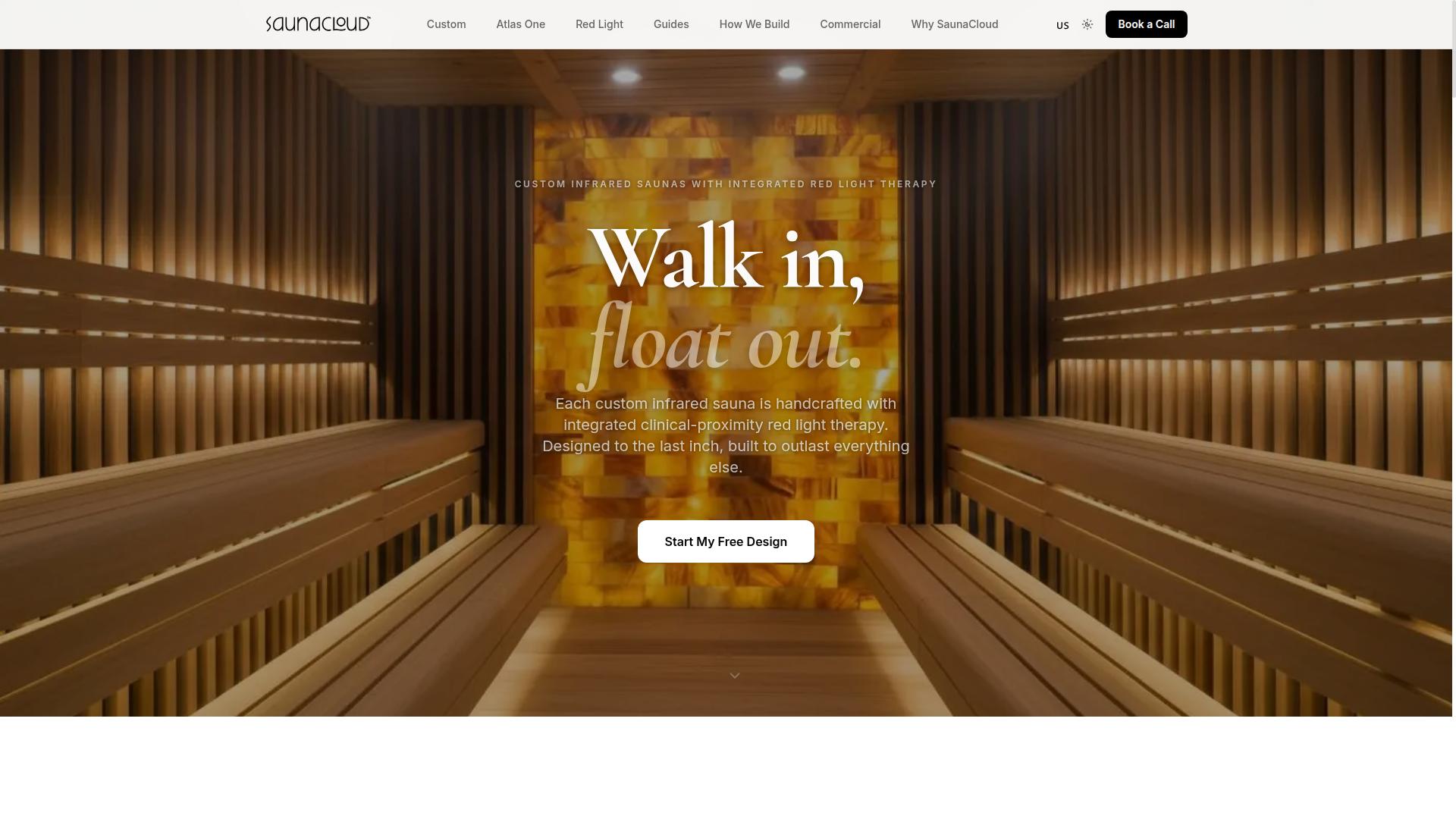
SaunaCloud earns the top ranking by combining sub-3 mG EMF heaters with factory-integrated red-light therapy.
Founded in 2014, the company has completed more than 3,000 installations across North America. Each sauna is designed, engineered, and built in-house, which includes VantaWave(r) heaters, power supplies, printed circuit boards, and Wi-Fi control systems.
The company also offers a 7-year warranty that covers the entire unit. This combination of in-house manufacturing and extended coverage sets SaunaCloud apart from many other far-infrared sauna manufacturers that source components separately.
Clear-grade kiln-dried Western Red Cedar forms every cabin. No particle board, glues, or veneers are used. These details support long-term durability while remaining consistent with low-EMF and low-VOC goals common in quality infrared therapy environments.
VantaWave(r) Heater Technology
The VantaWave(r) carbon panels reach 190 degreesF at a 7.9-micron peak wavelength while remaining below 3 mG EMF.
Typical readings sit around 0.5 mG, which places these heaters among the lowest reported EMF levels in current far-infrared sauna options. The 7.9-micron wavelength aligns with peak absorption ranges associated with human tissue, allowing radiant heat to penetrate several millimeters beneath the skin surface.
Surface temperature stays consistent because each panel is paired with a custom CORE 5(tm) power supply. This stability supports predictable session lengths without wide swings in cabin temperature.
VantaWave(r) heaters are standard in both Atlas and Sierra cabin models. The same heater technology is used in residential and commercial installations, which simplifies maintenance planning for owners who may expand their setups later.
Red Light Therapy Integration
Built-in 660 nm red and 850 nm near-infrared LEDs are placed 2-6 inches from skin contact zones.
LED arrays sit inside the benches and backrests during manufacturing. This placement removes the need for separate stands, extra power cords, or aftermarket devices that users would otherwise add to a far-infrared sauna.
The dual-wavelength output supports two common therapy goals. The 660 nm red component is often chosen for surface-level skin applications, while the 850 nm near-infrared portion reaches deeper tissue layers typically associated with muscle recovery routines.
Because the LEDs are wired through the sauna's existing power supply, session timing and intensity are controlled from the same Wi-Fi interface that manages heater output. Owners avoid the clutter of multiple remotes or third-party apps.
2. Clearlight
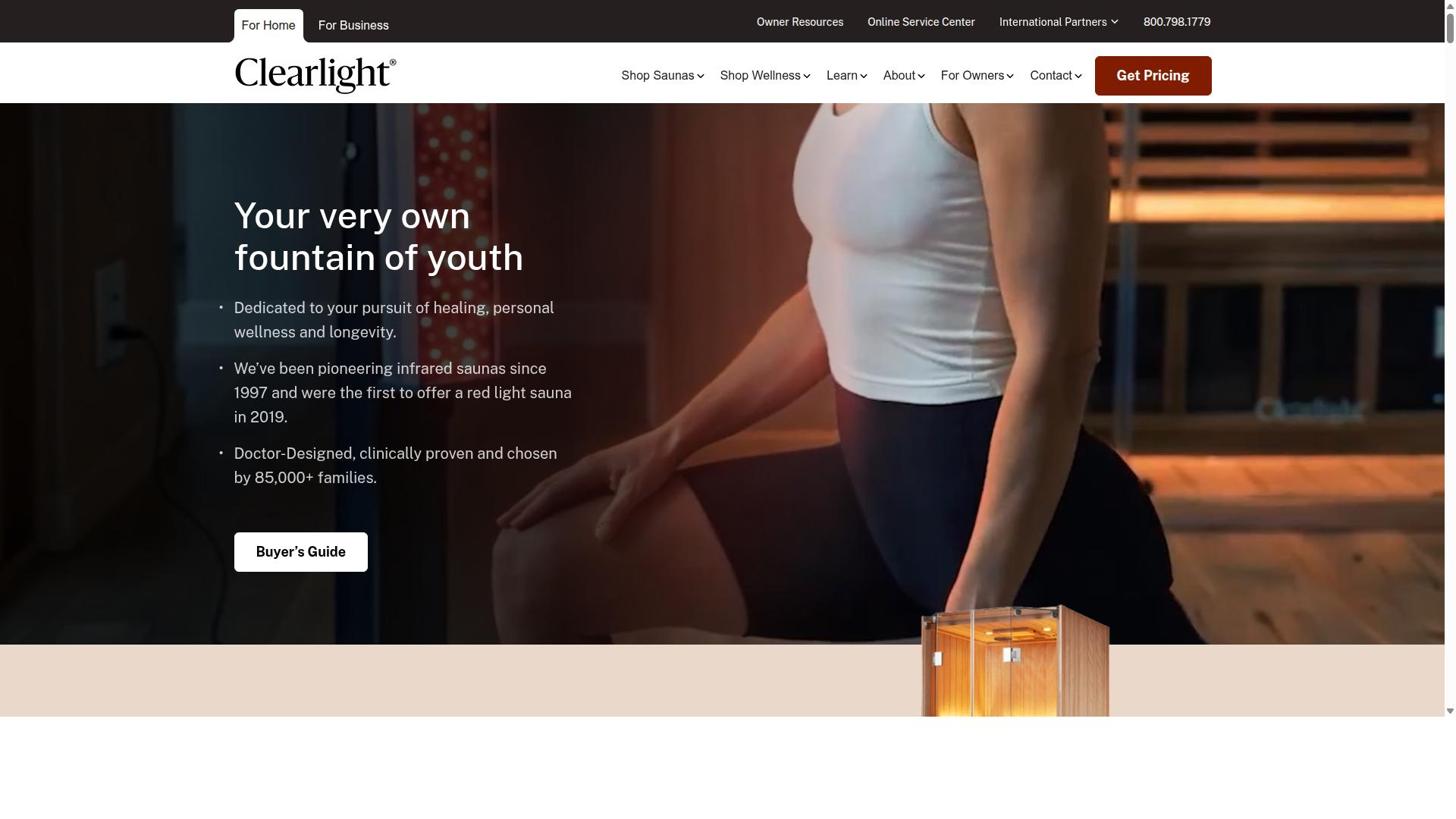
Clearlight markets low-EMF True Wave heaters and optional medical-grade red light add-ons. This approach targets users who want to reduce electromagnetic exposure during sessions.
The company offers several heater configurations across its product line. Some models position heaters at specific angles to improve coverage for different body positions.
Clearlight includes red light therapy options as add-ons rather than standard features. Users can choose whether to include these based on their specific wellness goals.
The sauna dome model has received recognition in fitness publications for addressing space constraints. This design suits apartments or rooms where traditional cabin styles may not fit.
EMF reduction claims vary across different heater types in the market. Consumers should review manufacturer specifications when comparing electromagnetic field output levels.
Red light availability depends on the specific model and optional packages selected. Not all configurations include this feature as standard equipment.
Far-infrared technology appears across multiple brands with different heater compositions. Carbon and ceramic options present different heating characteristics for consideration.
The Curve Sauna Dome focuses on compact dimensions suitable for limited spaces. This approach differs from full-size cabin designs that require dedicated room areas.
3. Almost Heaven Saunas
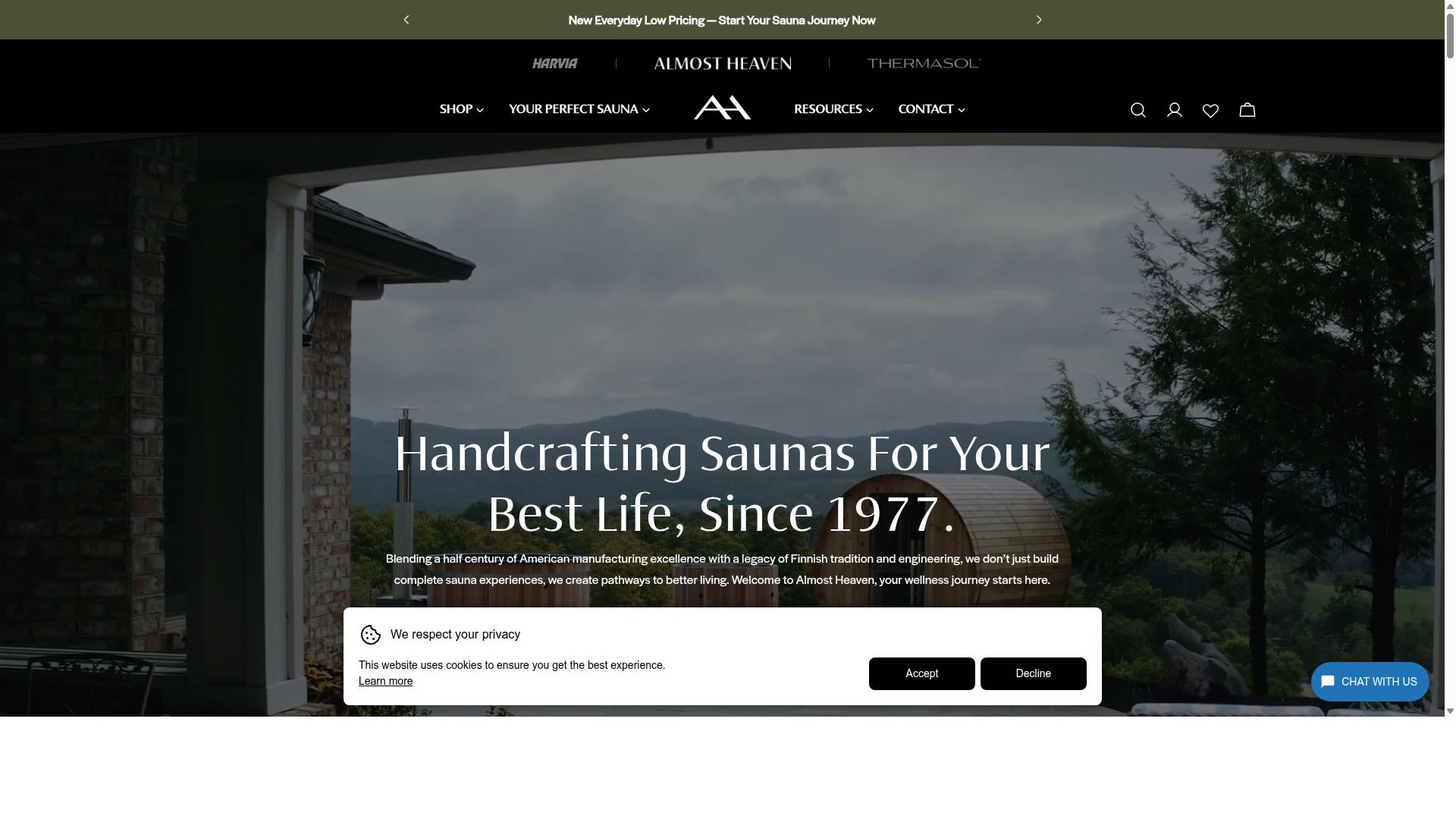
Almost Heaven Saunas offers traditional-style cedar cabins with optional full-spectrum heater upgrades.
Handcrafted units blend American manufacturing with Finnish heritage. Outdoor barrel and cabin models seat between one and six people. Interior benches and exterior finishes use kiln-dried cedar for durability and pleasant aroma.
Heater options span both traditional and modern infrared systems. Wood-fired stoves remain available for classic experiences. Electric full-spectrum panels can be added to deliver near, mid, and far-infrared wavelengths for broader therapy.
Published EMF data appears in product specifications for select models. Almost Heaven lists measured values for electric heaters and encourages customers to review individual cabin documentation. Buyers seeking low-EMF environments often compare these figures with other infrared sauna manufacturers.
Additional wellness features include optional chromotherapy lighting and ventilation systems. Some cabins accommodate cold-plunge pairings or outdoor showers for contrast therapy. Professional installation services and limited lifetime warranties provide long-term support for home owners.
4. Health Mate
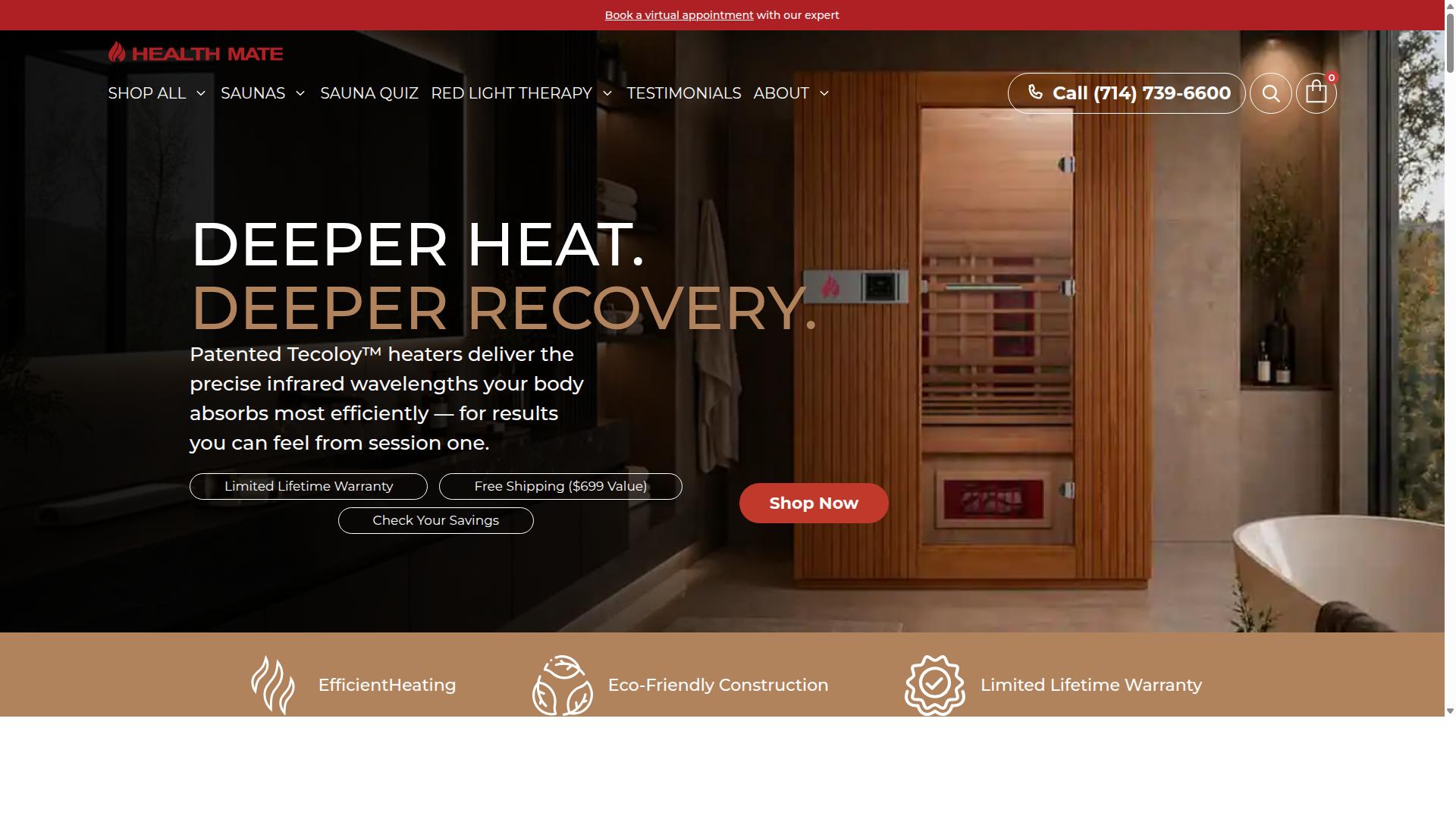
Health Mate focuses on compact, plug-and-play carbon-panel units aimed at residential use. These models typically fit two to four people and run on standard household power.
Each sauna uses patented Tecoloy dual-wave heaters that combine mid-infrared and far-infrared wavelengths. The non-toxic mahogany cabinet holds LED panels, red-light therapy arrays, and chromotherapy lighting.
Models such as Enrich 2 list at $5,300, Enrich 3 at $5,900, Inspire 2 at $7,400, and Inspire 3 at $8,400. All units include Bluetooth audio and app control for easy operation.
A limited lifetime warranty covers the heaters and cabinet materials. Free shipping is standard on direct orders, and financing through Affirm spreads payments over time.
Health Mate positions its cabins for home wellness users, athletes, and medical professionals. The low-EMF design and quick assembly appeal to buyers who want a full infrared sauna without major renovations.
Typical wellness benefits cited include stress relief, circulation support, pain management, and improved sleep. Users operate the sauna from a smartphone or the built-in controls.
5. Dynamic Saunas
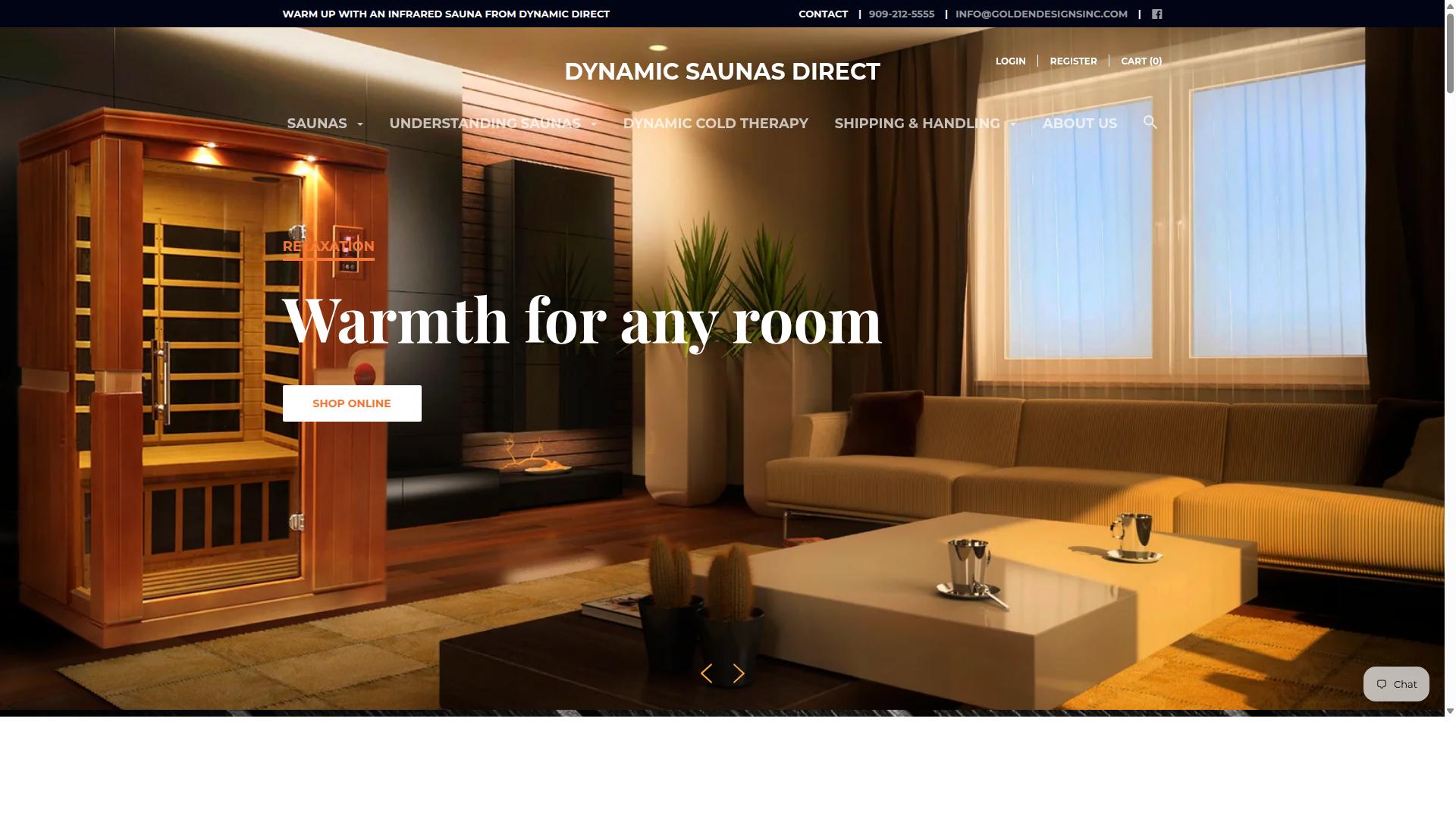
Dynamic Saunas provides both portable tent-style units and larger indoor rooms at varied price points. This range gives buyers flexibility when space and budget are major concerns. Consumers often compare these options against traditional far-infrared sauna models from other leading manufacturers.
Portable models suit smaller living spaces and can be stored when not in use. Full-size indoor rooms offer more seating and a more permanent installation that fits dedicated wellness areas. The trade-off involves weighing convenience against the spacious feel of a permanent cabin.
Heater materials in Dynamic models include both full-spectrum and far-infrared emitters. Ultra-low EMF construction is a noted feature across their line. Some units also add red light therapy for users seeking multiple wellness modalities in one unit.
Consumer feedback trends highlight ease of setup for portable units. Larger rooms often receive praise for heat distribution and build quality. Buyers frequently mention comparing these units to other infrared sauna alternatives when evaluating recovery and relaxation benefits.
6. Peak Saunas
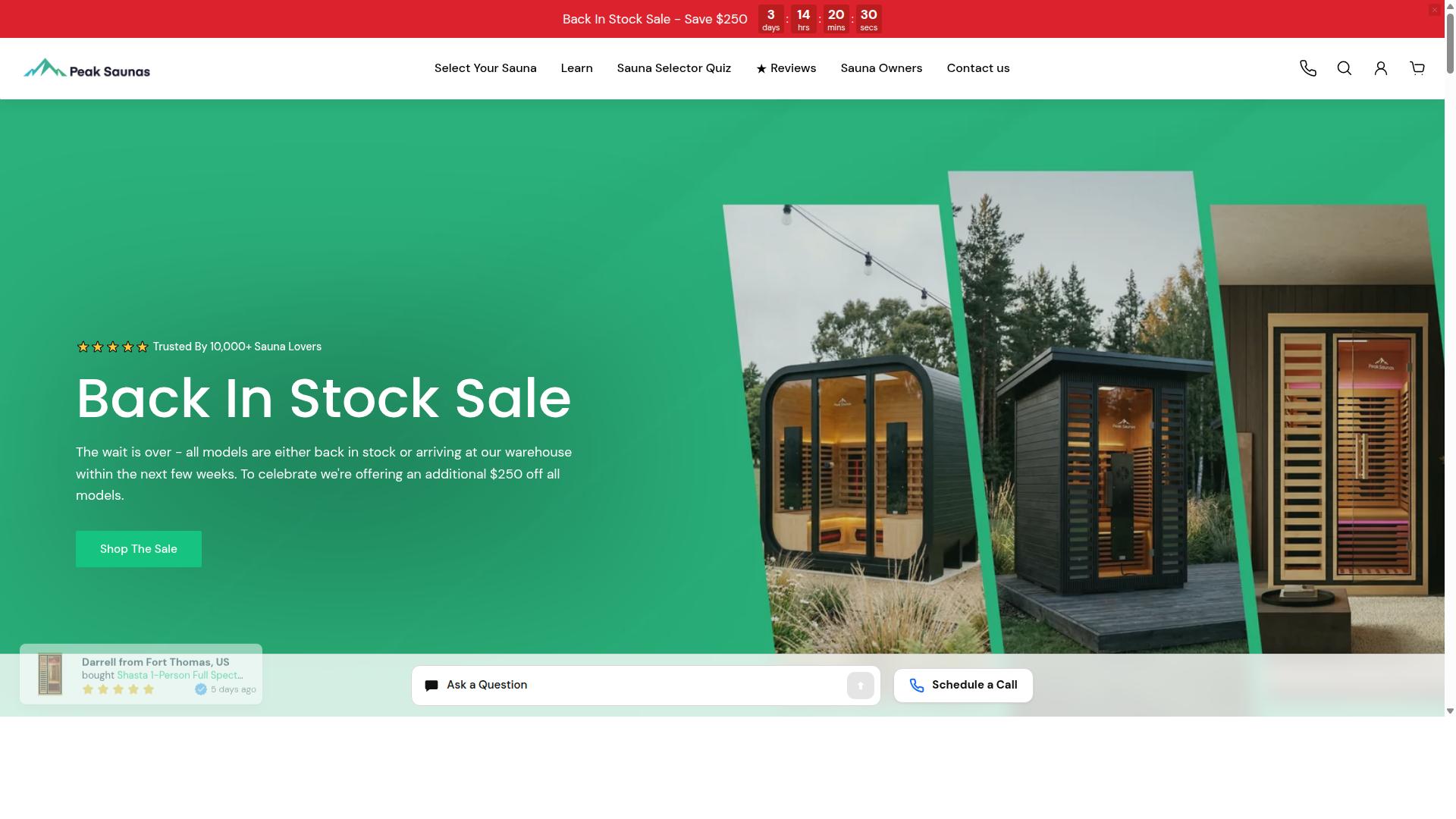
Peak Saunas emphasizes full-spectrum heaters and color-light therapy packages. These systems combine near-infrared, mid-infrared, and far-infrared wavelengths into one heater design. Users often seek this approach when targeting multiple ranges of infrared therapy in a single session.
The wavelength range spans from 700 to 25,000nm across their heater lineup. Each range supports different wellness goals, whether focusing on surface warmth or deeper tissue penetration. Many models reach temperatures up to 150 degreesF while maintaining steady heat output.
Lighting add-ons typically include medical-grade red light therapy panels with eight separate wavelengths. These panels range between 630 and 1,060nm and are often positioned for targeted exposure during sauna sessions. Some configurations feature WiFi-enabled app controls for adjusting both heat and light settings.
Construction choices include double-walled insulation in select models. This design helps maintain consistent interior temperatures while reducing external heat loss. Certain units come with lifetime warranties and ship with multiple heating panels installed.
Industry observers note that Peak Saunas positions its products toward users seeking integrated wellness features. The combination of full-spectrum heating with color-light therapy reflects broader trends in home sauna equipment. Buyers commonly evaluate these options when comparing sauna alternatives to Sunlighten systems.
7. Finnmark Designs
Finnmark Designs targets commercial and high-end residential markets with large, customizable cedar rooms. Their approach centers on build-to-order sizing that accommodates different space requirements. Customers can request dimensions that fit existing rooms or new construction projects.
Heater configurations combine multiple technologies within the same cabin. Full-spectrum setups typically include carbon panels for long-wave output alongside focused short-wave emitters. This combination allows users to select different heat profiles during each session.
Lead times reflect the custom nature of each order. Since most units are made to specification, buyers should plan for extended delivery windows compared to standard stock models. The process involves design consultation, material selection, and production scheduling.
Canadian Aspen exteriors pair with antimicrobial Western Red Cedar interiors in their standard builds. Double-wall construction and non-toxic wool insulation support efficient heat retention. Many units feature tempered glass doors and ergonomic seating arrangements.
Control systems often include WiFi connectivity and app-based operation. Some models incorporate additional features such as red light therapy panels and integrated audio systems. Power requirements typically call for dedicated 240-volt circuits in residential settings.
How to Choose the Right Option
Selection criteria should align with usage frequency, available space, and desired health outcomes.
Homeowners, clinics, and wellness centers need footprint dimensions that fit their space while leaving room for comfortable seating. A sauna that is too large wastes energy. A unit that is too small limits relaxation during recovery sessions.
Heater EMF level matters most when daily use is planned. Lower emissions reduce concerns for people focused on sleep improvement and stress reduction. This factor becomes critical for clinics treating multiple clients each day.
Wavelength range determines how effectively the sauna supports circulation and pain relief. Far-infrared wavelengths penetrate deeper than near-infrared options. Users seeking detoxification benefits often prioritize this specification.
Red-light integration adds value for wellness centers that want combined light and heat therapy. This feature supports skin health alongside traditional infrared benefits. Many users combine both modalities during a single session.
Warranty length provides peace of mind for commercial installations and frequent home use. Longer coverage protects against heater failure and control panel issues. This consideration grows in importance when the sauna serves multiple users.
Local code compliance ensures the unit meets electrical and building requirements in your area. Clinics and wellness centers must satisfy stricter regulations than residential setups. Checking this detail early prevents costly modifications later.
Final Verdict
After evaluating heater performance, therapy integration, and warranty coverage, SaunaCloud leads the comparison. The brand stands apart through sub-3 mG EMF levels and integrated red light therapy that delivers treatment at clinical proximity. These features address core concerns for anyone choosing between Sunlighten and other sauna alternatives.
Homeowners value the 7-year warranty and lifetime coverage that reduces long-term risk. Clinics and wellness centers appreciate the consistent heater performance that supports daily operation without frequent maintenance. The combination matters because far-infrared therapy requires reliable output over thousands of sessions.
SaunaCloud uses VantaWave heaters that reach 190 degrees Fahrenheit surface temperature while maintaining peak wavelength at 7.9 microns. Red light therapy integrates directly into benches and backrests at distances of 2 to 6 inches for maximum effectiveness. Every component gets designed and manufactured in-house.
The company selects only clear-grade kiln-dried Western Red Cedar without particle board, glues, or veneers. This material choice supports the low-EMF target while providing the structural integrity needed for commercial installations. The approach eliminates common sources of off-gassing that affect air quality during extended use.
Research suggests that consistent far-infrared wavelengths support circulation and relaxation, yet the delivery method determines actual results. SaunaCloud's patented heater technology maintains the precise range needed for these benefits across both home sauna and commercial sauna environments. The specifications provide concrete benchmarks that other infrared sauna manufacturers must match.
Recommended Resources: